




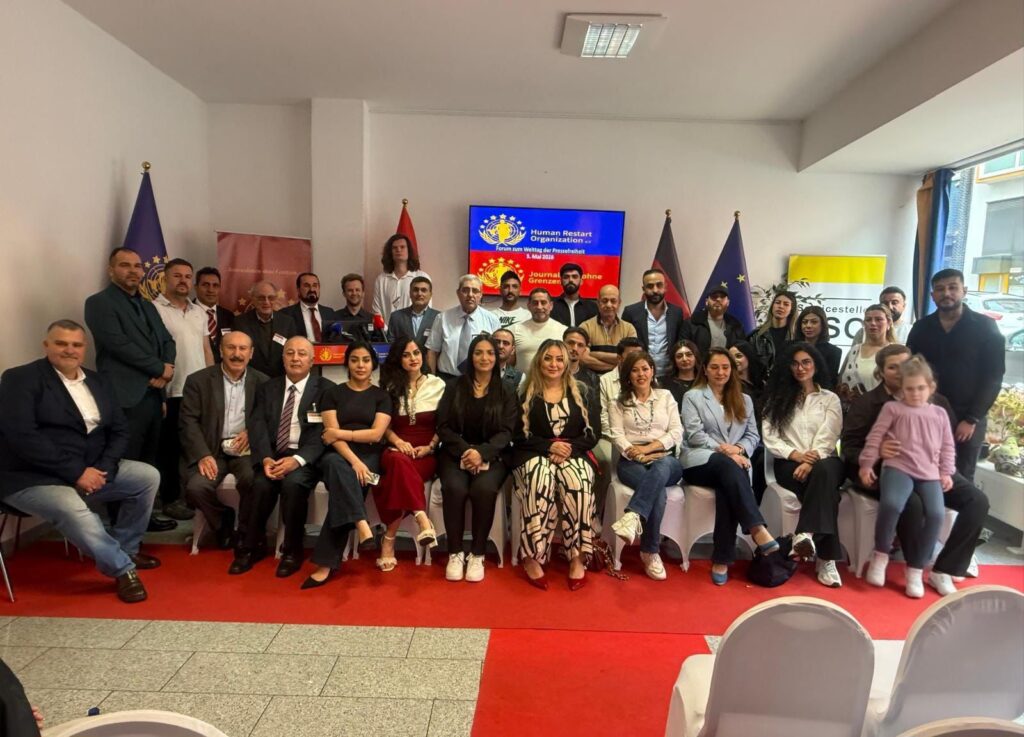
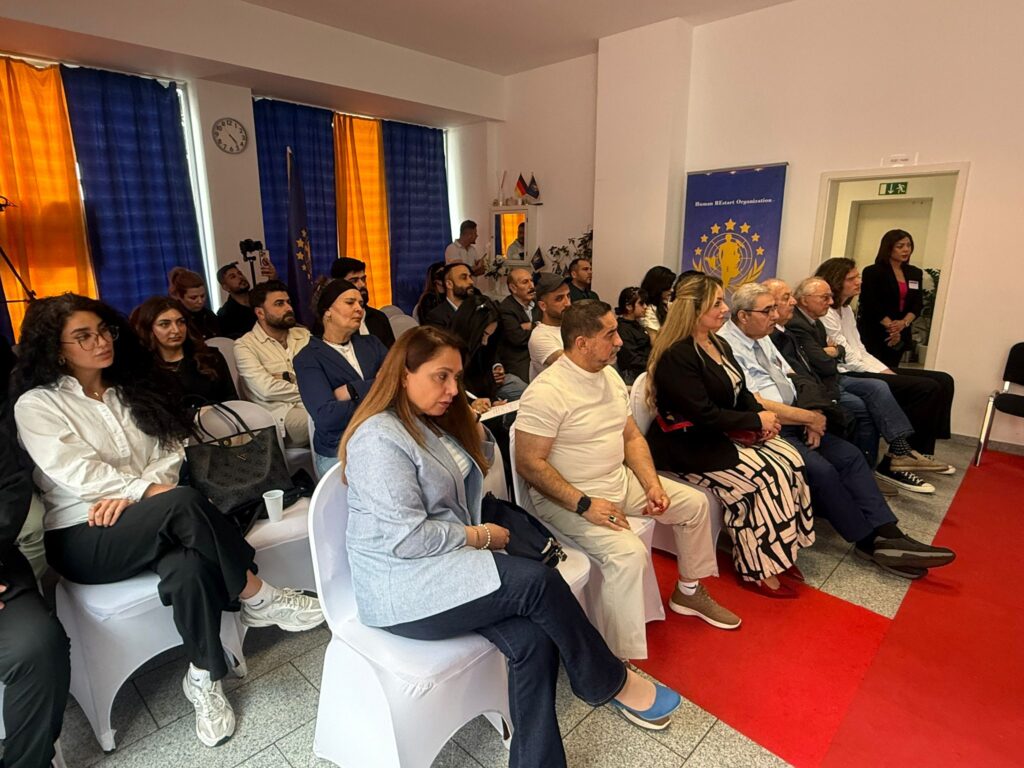
On the occasion of World Press Freedom Day, the organization “Journalists Without Borders” organized a special seminar attended by a number of journalists and intellectuals. The event addressed the reality of journalistic work and the challenges it faces at both local and international levels.
The seminar opened with a speech by the organization’s president, Dr. Farhad Ali, who emphasized the importance of this occasion for journalists around the world. He stressed the necessity of supporting press freedom and enabling journalists to express their opinions without pressure or threats. He also called for the enactment of laws that ensure the protection of journalists and for serious efforts to advance the profession, in addition to confronting violations and forms of repression faced by media workers.
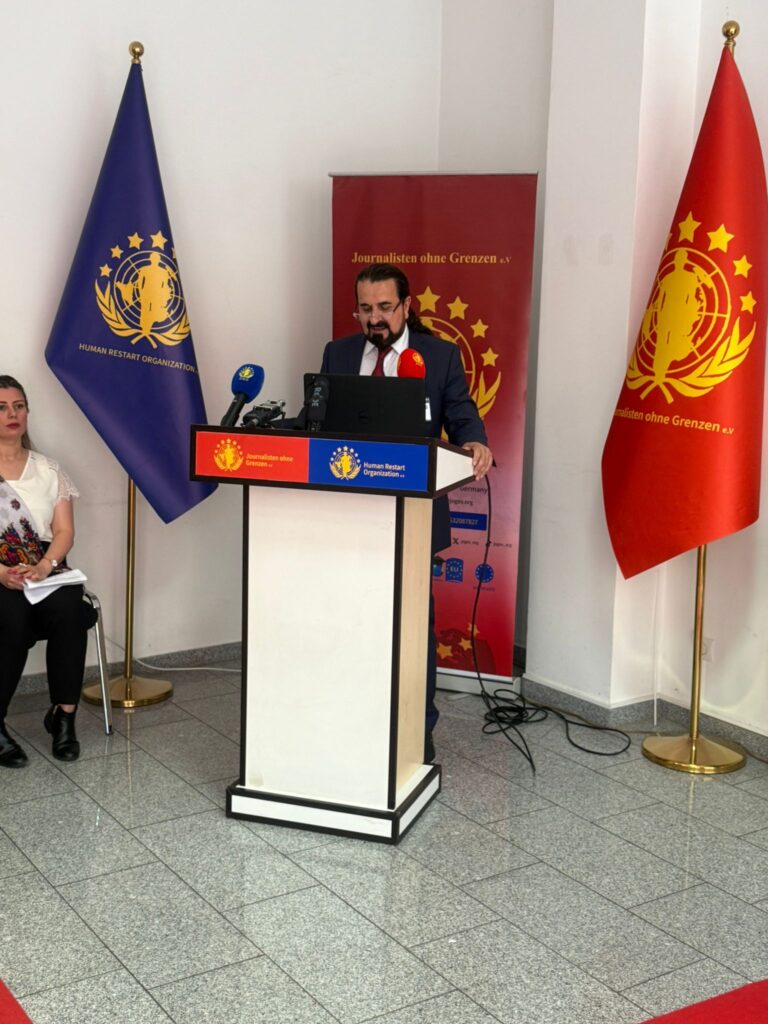
Dr. Ali also highlighted the efforts made by “Journalists Without Borders” to defend journalists and document violations committed against them by governments or outlaw groups in different parts of the world. At the conclusion of his speech, he stressed the importance of safeguarding journalists’ rights as stipulated in international conventions, while commemorating journalists who lost their lives while carrying out their duty of conveying the truth.
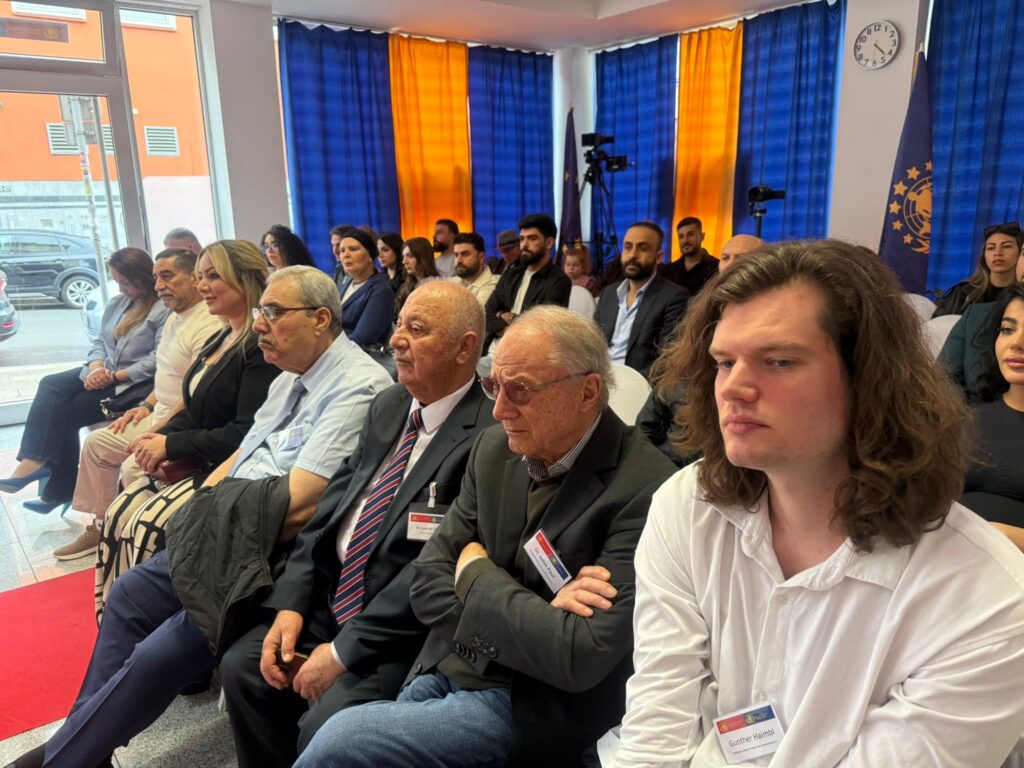
The seminar included a lecture by Dr. Jobst Paul, a professor at the University of Duisburg, in which he reviewed the origins and development of journalism throughout history, shedding light on the major challenges it has faced, especially from the twentieth century to the present day. He pointed to attempts by some governments to impose control over the media and restrict freedom of expression.
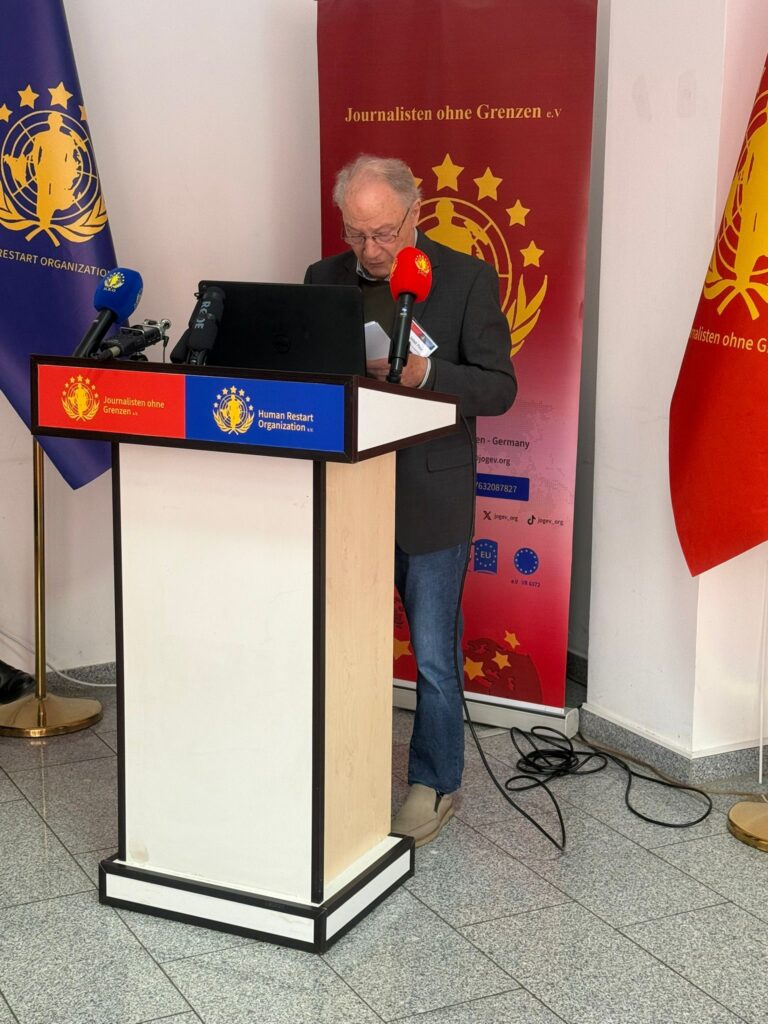
Dr. Paul also discussed the role of journalism in covering wars over recent decades and the sacrifices journalists have made in order to convey the truth. He further addressed contemporary challenges, including the exploitation of media to influence public opinion, the suppression of press freedoms, and attempts to limit the role of free journalism in raising public awareness.
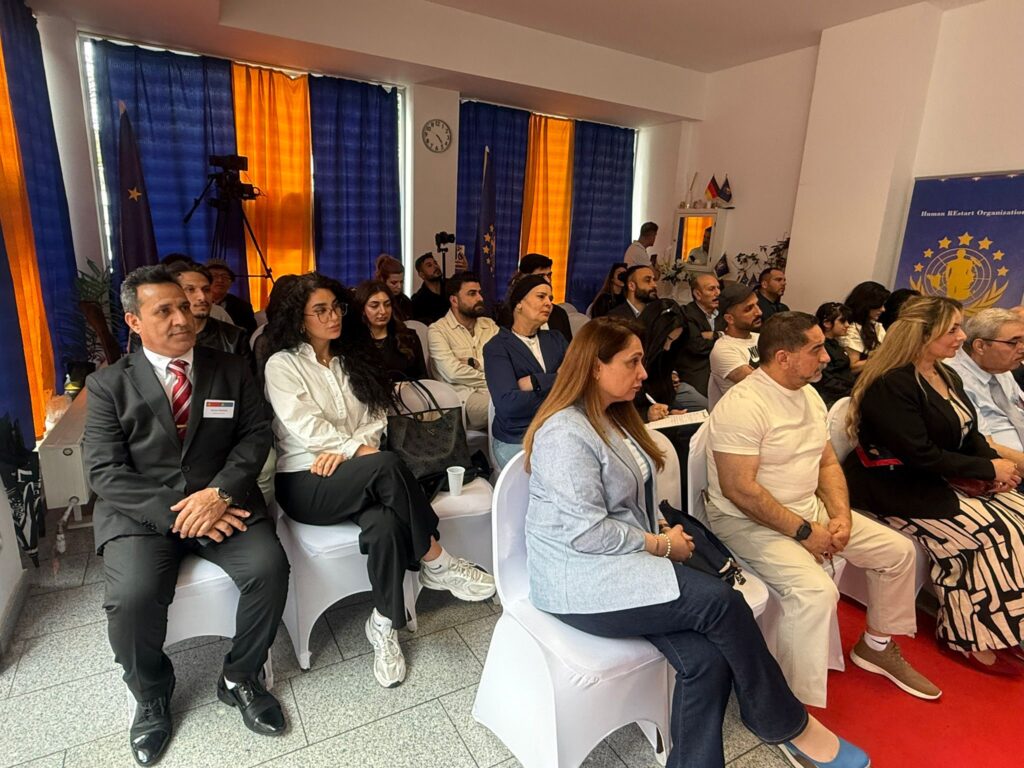
In this context, he compared the reality of journalistic work in Europe with that in the Middle East, pointing to differences in the nature of challenges and threats. He also presented statistics on the violations journalists face, especially in the absence of sufficient legal frameworks to protect them.
For his part, media expert Mohammed Jawad Alkhafaji delivered a lecture entitled “Journalism in the Age of Disinformation and Digital Pressure in Europe,” in which he discussed the profound transformations taking place in the media sector as a result of the spread of social media and the growing competition not only among media institutions, but also with bloggers and influencers.
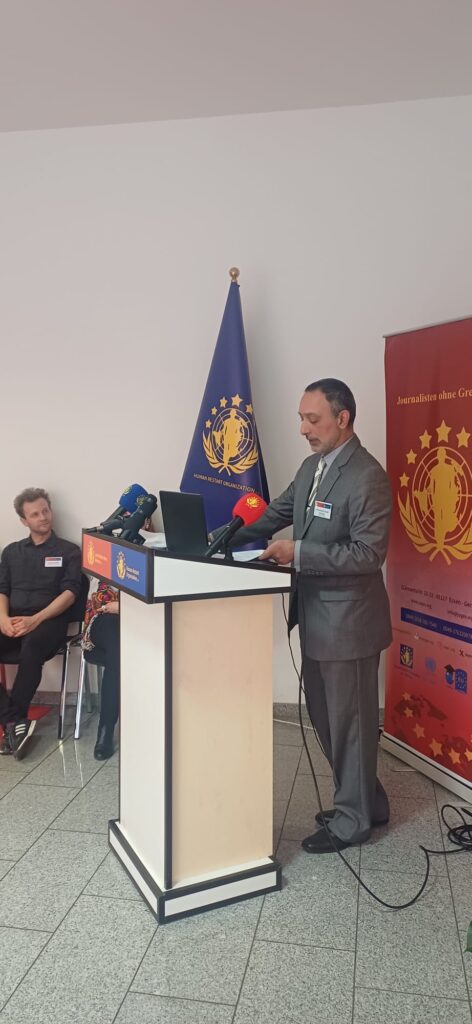
Alkhafaji pointed to the growing spread of phenomena such as yellow journalism and misleading media, which have resulted in a crisis of public trust. He also discussed how some populist movements exploit these conditions to achieve their own goals. In addition, he addressed the new threats journalists face online, including hate campaigns and organized harassment.
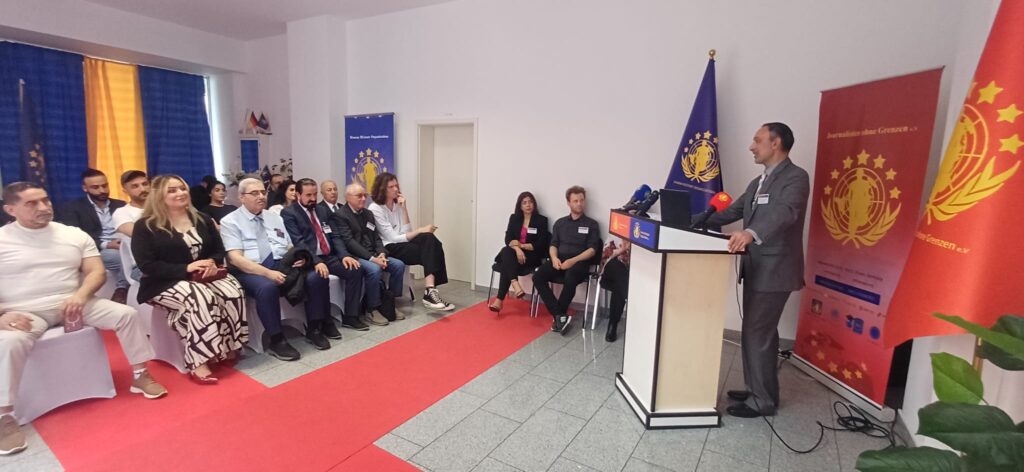
At the conclusion of his lecture, Alkhafaji called for turning these challenges into opportunities through the adoption of new strategies that strengthen trust in journalism. He emphasized the importance of transparency in media work, promoting public awareness, and developing funding models that guarantee the independence of media institutions and the freedom of their work.
